
Feeding After Age 1: Toddler Diet Changes Explained

on Oct 16, 2021, Updated Apr 22, 2026
This post may contain affiliate links. Please read our disclosure policy.
Once your baby turns one, things start to shift when it comes to feeding. Some foods that were off-limits are now okay, portions may change, and your little one begins to eat more like the rest of the family. Let’s break down what actually changes after age one and what that looks like in real life.
Table of Contents
What Changes After Age 1?
After your baby turns one, feeding begins to shift in a few key ways:
- More foods are allowed
- Milk intake changes
- Meals and snacks become more structured
- Appetite may fluctuate
- Toddlers begin eating more like the family
While it may feel like a big transition, many of the same feeding principles still apply.
Honey
Before age 1, honey is avoided due to the risk of infant botulism.
After age 1, be mindful of hidden honey in packaged foods. Honey can be safely introduced, but it’s still best offered in moderation due to sugar content.
Milk
Before age 1:
- Breastmilk or formula is the primary source of nutrition
- Cow’s milk is not used as a main drink
After age 1:
- Milk can now be offered as a beverage
- Whole milk is commonly recommended
- Dairy-free alternatives can be used if needed
Milk is now a complement to meals, not the main source of nutrition.
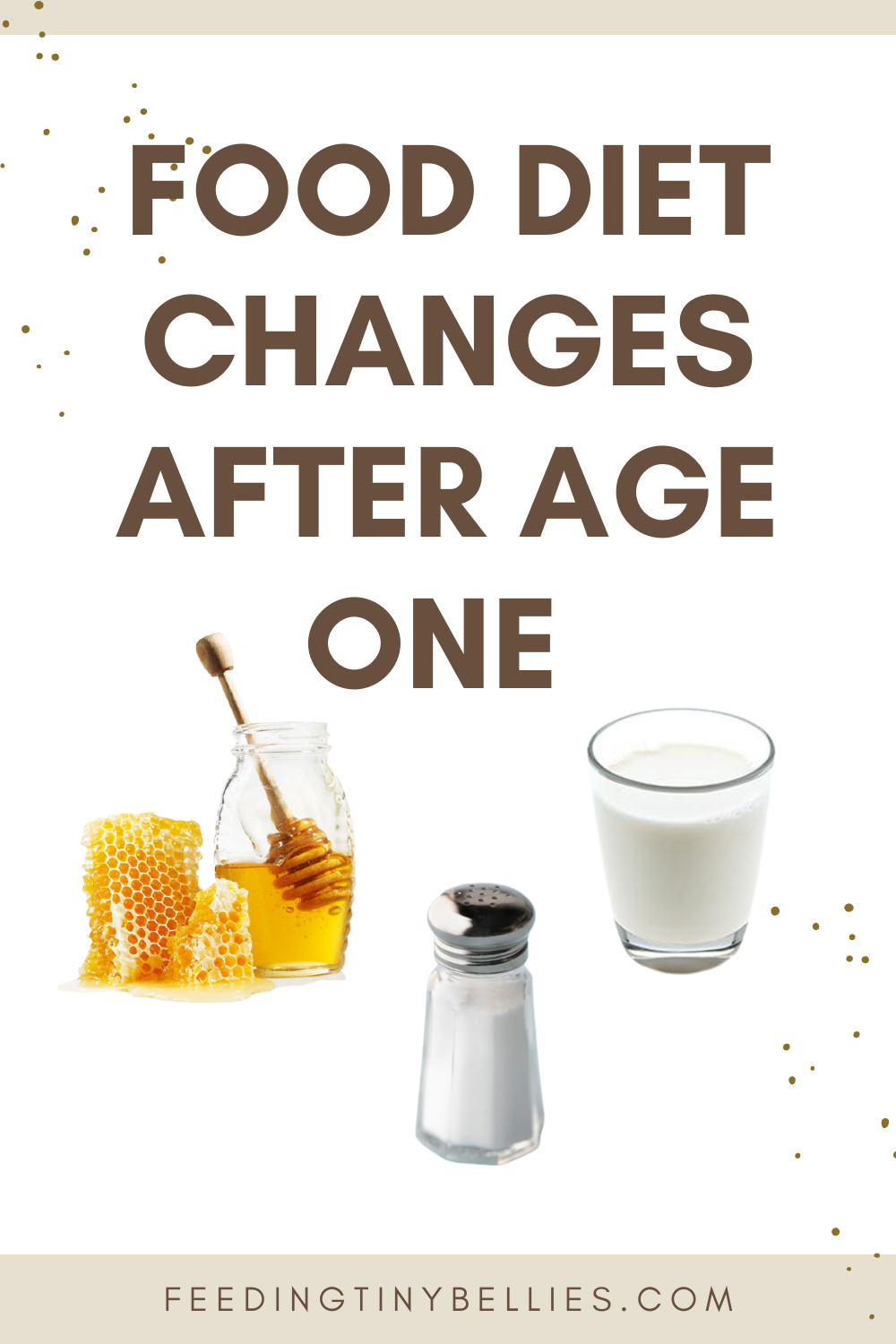
Sodium
Before age 1:
- Salt intake should be very limited
- Babies’ kidneys are still developing
After age 1:
- Sodium recommendations increase slightly
- Moderation is still key
You don’t need to avoid all salt, but continue to prioritize whole, low-sodium foods when possible.
Sugar
Before age 1, added sugars are avoided. After age 1, small amounts may be introduced but focus on balance rather than restriction. Natural sugars from fruit are still a great option.
Portion Sizes
One of the biggest surprises? Portion sizes don’t always increase after age one.
Toddlers may:
- Eat less than they did as babies
- Have inconsistent appetites
- Eat more one day and less the next
Continue to:
- Start with small portions
- Offer more if needed
- Follow your child’s hunger cues
Meals & Snacks
After age 1, the general goal becomes:
- 3 meals per day
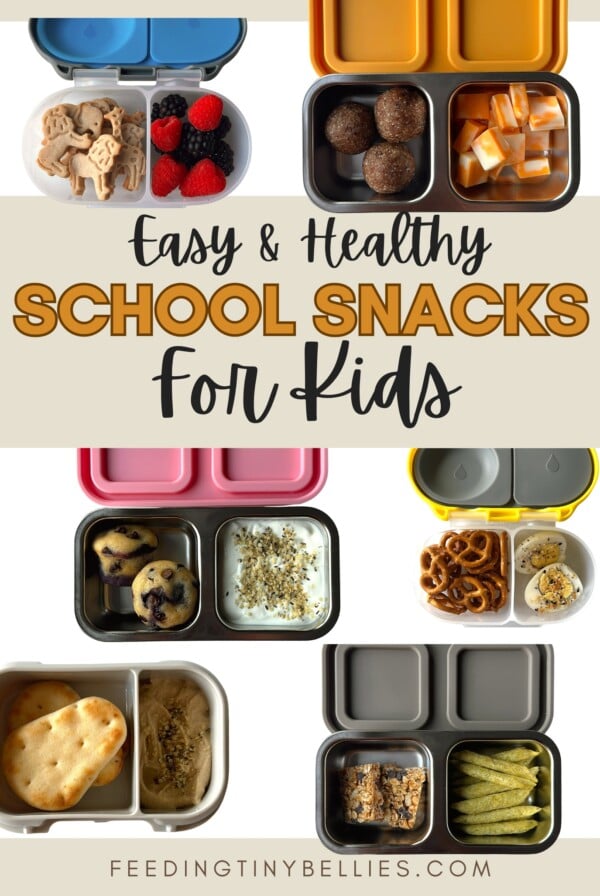
- 2–3 snacks
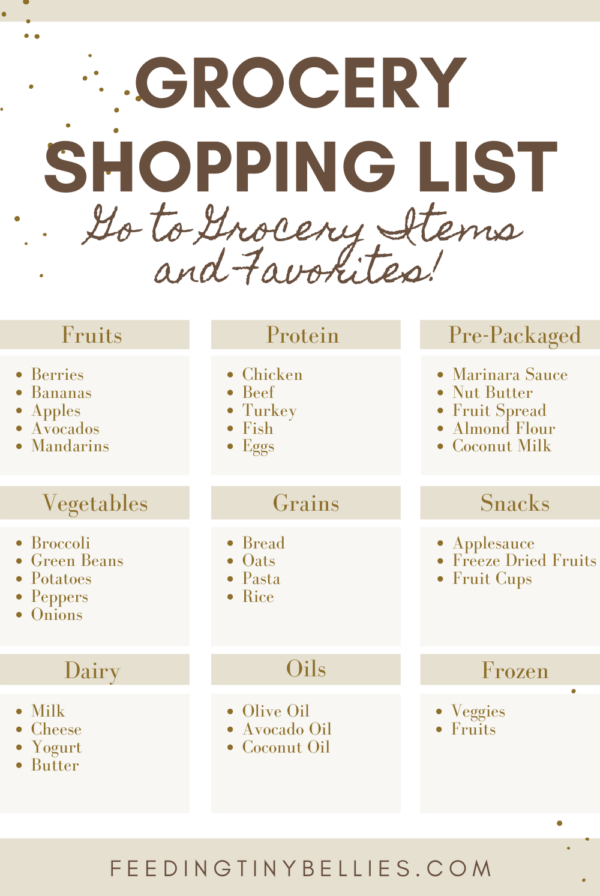
Meals should include a mix of:
- Protein
- Healthy fats
- Carbohydrates
- Fruits/vegetables
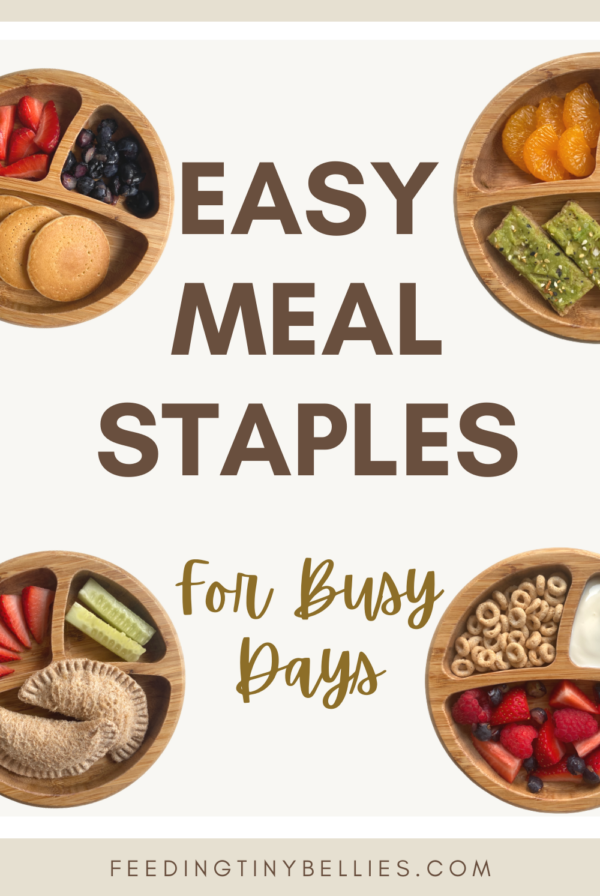
But remember, your toddler doesn’t need to eat everything at every meal. If you’re looking for simple meal ideas for this stage, my baby-led weaning cookbook includes easy, toddler-friendly recipes using everyday ingredients.
Appetite Changes in Toddlerhood
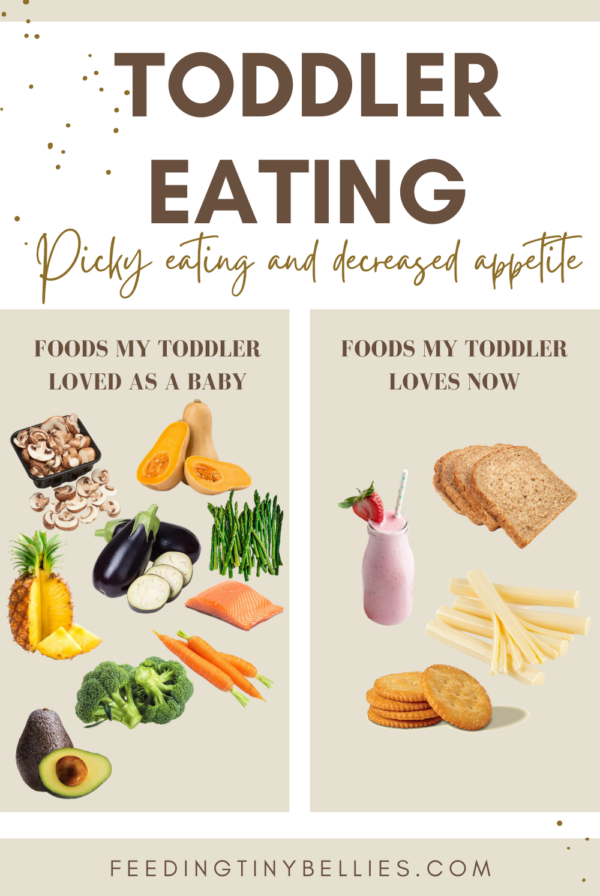
It’s very normal for toddlers to:
- eat less overall
- become more selective
- go through picky phases
- prefer snacks over meals
This is often due to slower growth and increased independence.
Food Safety Still Matters
Even after age 1, safety is still important.
Continue to:
- cut foods appropriately
- modify choking hazards (grapes, nuts, etc.)
- supervise all meals
- ensure your child is seated while eating
What Stays the Same
Even though some things change, many feeding principles stay the same:
- Offer balanced meals
- Avoid pressure at mealtimes
- Let your child decide how much to eat
- Continue exposing them to new foods
Frequently Asked Questions
Most foods are allowed, but choking hazards should still be avoided or modified.
Typically around 16–24 oz per day, depending on diet and needs.
Yes, appetite often decreases due to slower growth.
More Toddler Feeding Resources
Turning one is a big milestone, and feeding starts to feel a little easier, but it’s still a learning process. Your toddler’s eating habits will continue to change, and that’s completely normal. Focus on offering balanced meals, staying consistent, and trusting your child’s appetite.








Great advice for the changes that are happening with our one year old. Thanks!